Your clinician tells you your BMI is 31 and says you have obesity. Then come the words "intensive lifestyle modification." You may picture six days a week at the gym, a fridge full of celery, and a person with a clipboard judging your lunch.
Nope. If the whole plan fits on a sticky note that says "eat better," it isn't much of a plan either.
I would start with a better question: What is going on in your life, and what can we change that you'll still be doing three months from now? A BMI of 31 falls in the obesity range for most adults, but that number alone doesn't tell me how you sleep, what you eat at work, what medicines you take, or whether your knees hurt when you walk. We need the rest of the picture before we make the plan.
What makes it "intensive"?
Not the sweat. The support.
An intensive plan has a food strategy that works with your schedule and budget, movement you can actually do, a way to notice patterns, and regular follow-up. We adjust what isn't working. We don't hand you a list and disappear. Research programs often have multiple coaching visits, especially early on. For adults with obesity, the U.S. Preventive Services Task Force recommends offering or referring people to an intensive program that combines several behavior tools; many studied programs met with people at least 12 times in the first year. That is closer to the idea than "see you in a year, good luck."
Sleep, stress, food access, caregiving and work hours matter too. If your nights are broken by a sleep problem, or you finish work at 9 p.m. beside a drive-through, a generic meal chart won't do much. The goal is to find what keeps tripping you up and build around it.
What it might look like this week
Let's stay with the person whose BMI is 31. At the first visit, I'd want to review blood pressure, blood sugar and other health risks, medicines, sleep, movement, past attempts at weight loss, and what a normal day actually looks like. Then we'd agree on one starting move.
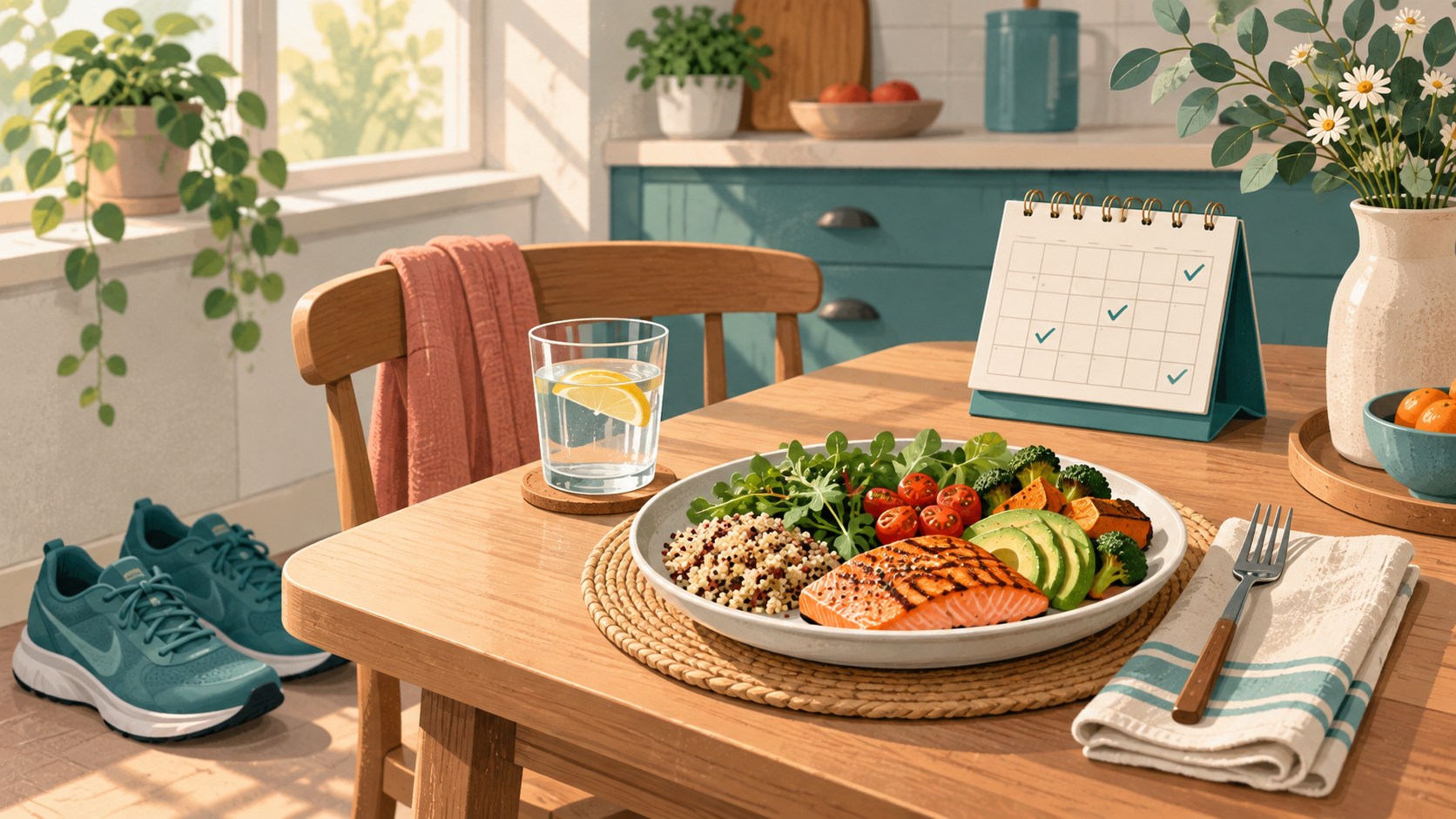
Maybe a sweet drink is on the desk every afternoon. Instead of throwing out the whole pantry on Monday, you switch that one drink a few days this week. Or you take a short walk after dinner on days your schedule allows. If walking hurts, we find another option. Put the new drink where you'll reach for the old one, or set your shoes by the door. Small is fine. Repeatable is the point.
For the next couple of weeks, jot down what happened without grading yourself: Which days worked? What got in the way? Bring that note to the follow-up. Then we can build, change direction, or get more help. You might work toward a larger activity goal over time, but nobody needs to jump from zero to 150 minutes this week. And weight isn't the only thing we check. Blood pressure, glucose when appropriate, how you feel, what you can do, and whether the plan fits your life all count.
That is a treatment plan. It has a starting point, a next visit, and room to change.
Obesity, diabetes, and blood pressure aren't the same diagnosis
Lifestyle care belongs in all three conversations, but the evidence and the medical decisions differ.
For people with prediabetes, the Diabetes Prevention Program set a goal of about 7% weight loss and 150 minutes of activity a week, with frequent coaching. Participants in its lifestyle group developed type 2 diabetes about 58% less often than those assigned placebo during the original trial. That's a result for preventing diabetes in people at high risk, not a promise that someone who already has diabetes can skip treatment.
For someone newly diagnosed with type 2 diabetes, we start self-management education, nutrition support and a practical activity plan at diagnosis. We also decide what medicines and monitoring that person needs. In a large trial called Look AHEAD, people who already had type 2 diabetes improved weight, fitness and several risk factors with an intensive lifestyle program. The trial did not show fewer major cardiovascular events overall. I wouldn't sell lifestyle changes as a guaranteed way to avoid a heart attack or stop diabetes medicine. They still do real work, alongside the rest of the care plan.
For high blood pressure, a DASH-style eating pattern, less sodium, activity, weight management where appropriate and limiting alcohol can help. DASH means more vegetables, fruit, whole grains and other nutritious foods, not a special box of products. But the numbers and your other risks matter. Under the 2025 blood pressure guideline, a confirmed average of 140/90 or higher calls for medication as well as lifestyle changes. At 130/80 or higher, certain people with diabetes, kidney disease, cardiovascular disease or elevated cardiovascular risk also need medication. For lower-risk adults in that range, a clinician may start with a three- to six-month lifestyle trial and reassess. Please don't decide from one reading or stop a prescription to run that experiment yourself.
For obesity, an intensive behavior program is a sound place to start, but not the only option. Depending on your health, goals and response, we may discuss medication or surgery too. In people with diabetes and excess weight, sustained loss of around 5% to 7% can improve blood sugar and other risk markers; that isn't a required score for every patient. The best plan accounts for your circumstances instead of treating weight as a character test.
Who should be on your team?
Start with your primary care clinician. They can put the diagnosis in context, look for related problems, review medicines and safety issues, set a follow-up date, and decide when treatment needs to change. If nutrition is the sticking point, ask for a registered dietitian nutritionist. For diabetes, individualized nutrition care and diabetes self-management education are especially useful right at diagnosis, not only after you're struggling.
A qualified personal trainer or exercise professional can help turn "move more" into a plan you can do. If you have pain, heart symptoms, balance trouble, or other limits, talk with your clinician first; a physical therapist may be the better starting partner. If stress, sleep, mood, or access to food is the real obstacle, say so. We can work on that problem instead of handing you another workout sheet. You do not need to hire an entire team all at once.
One safety note: changing food or activity can affect blood sugar, particularly if you take insulin or a medicine that can cause low blood sugar. Talk to your care team about a safe plan and what to watch for. New or severe symptoms deserve medical attention, not a tougher workout.
The first useful step doesn't have to be impressive. Pick something you can do again tomorrow, decide how you'll know whether it helped, and make the next appointment. That's the "intensive" part that tends to get left off the sticky note: someone is paying attention with you.
If you have questions about a new obesity, diabetes, or high blood pressure diagnosis, schedule a visit with your primary care provider. If you'd like to see Dr. M. Nunez at Prosano Health, call (855) 776-7266 or visit https://www.prosanohealth.com/ to ask about eligibility and availability.
This is general information, not a diagnosis or a personal treatment plan. Your symptoms, medical history, medicines and exam change what is right for you. Talk with your own clinician before changing prescribed treatment or starting a demanding exercise program.